A quick look at the History of African Drumming
African drumming isn’t just music—it’s a heartbeat, a conversation, a celebration, and sometimes even a cosmic shout‑out to the ancestors. Its history stretches back thousands of years, woven into daily life, ritual, and storytelling across the continent’s many cultures.
At its core, African drumming developed as a language. In West Africa, the famous talking drum could mimic the tones of human speech, allowing drummers to send messages across villages long before anyone dreamed of Wi‑Fi. These drums weren’t just instruments; they were community bulletin boards, diplomatic messengers, and occasionally the ancient equivalent of a gossip hotline.
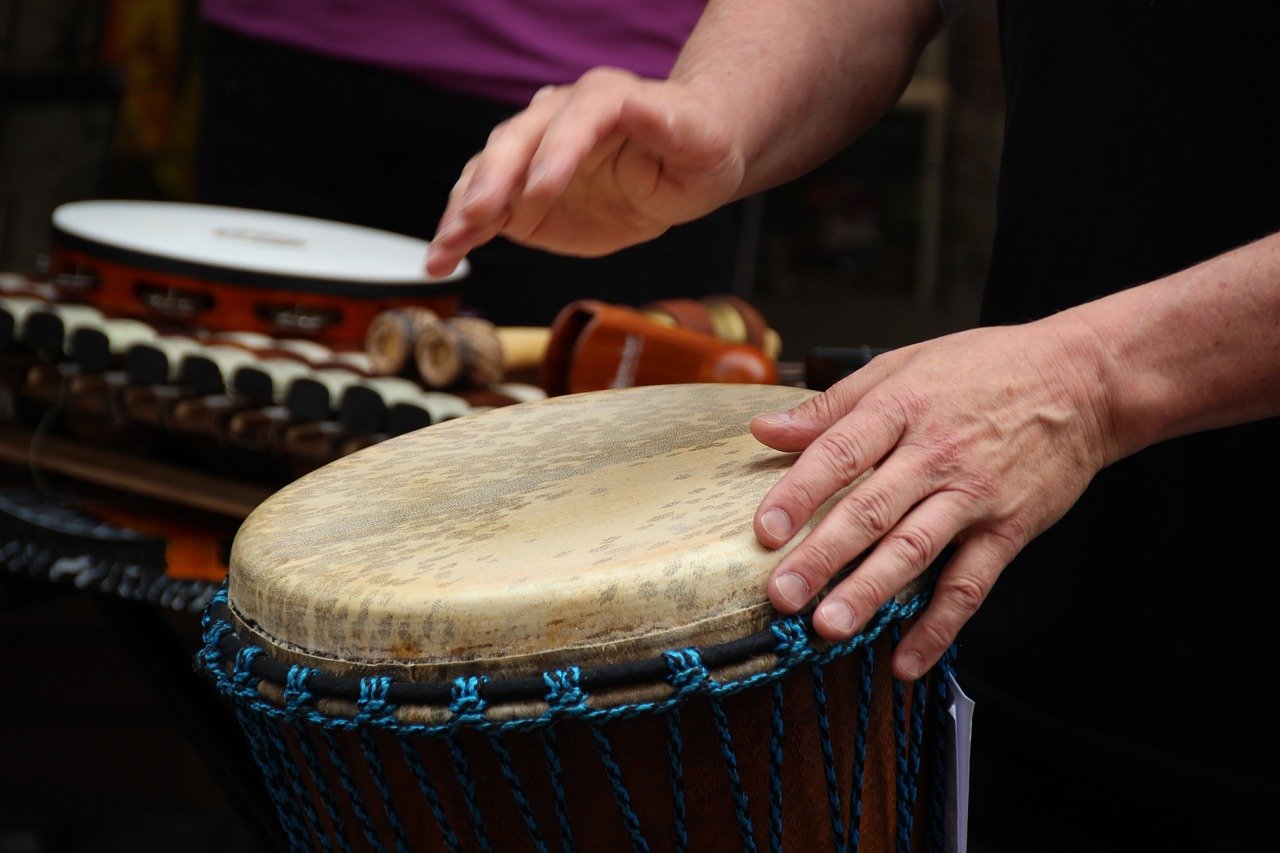
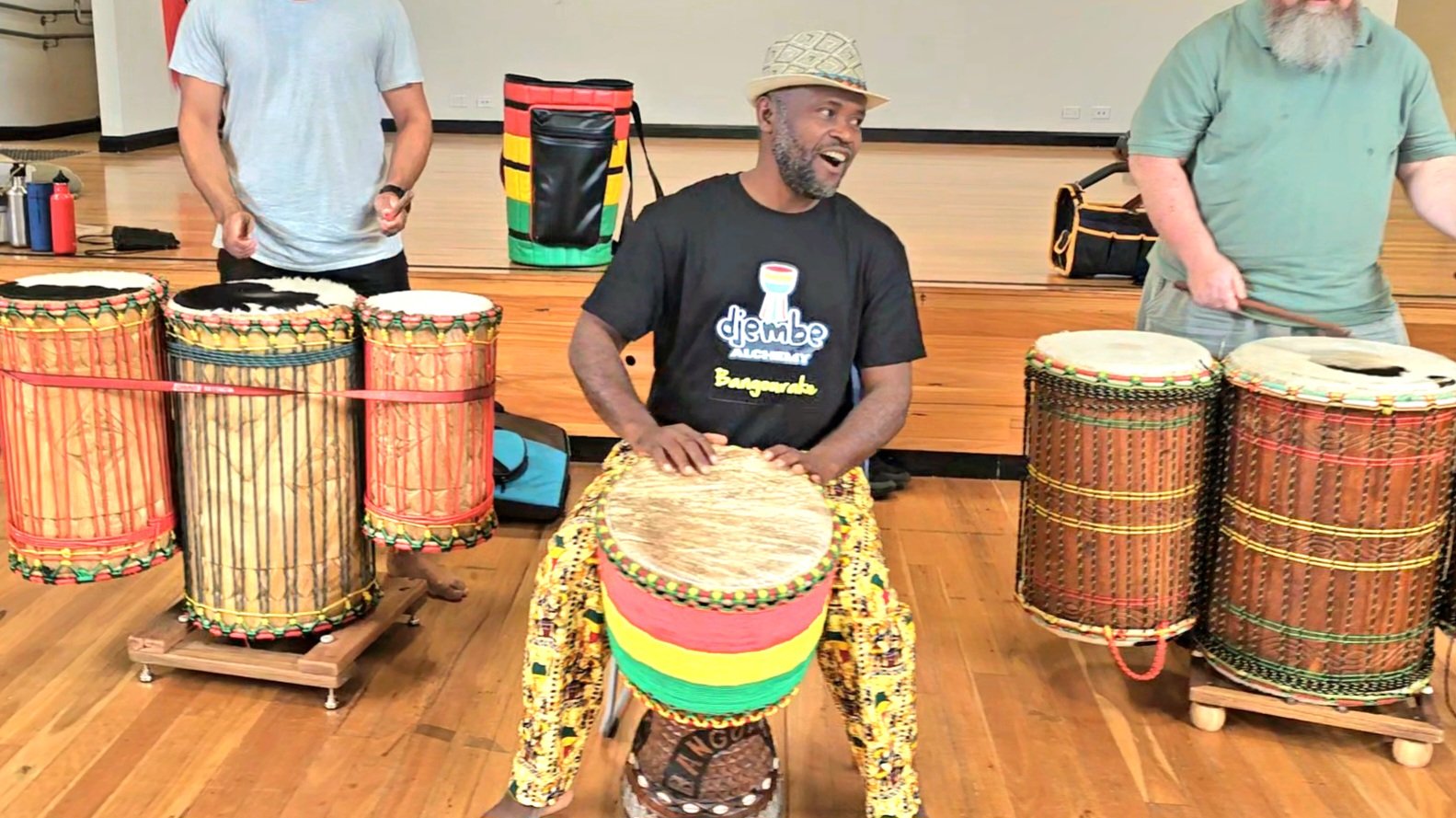
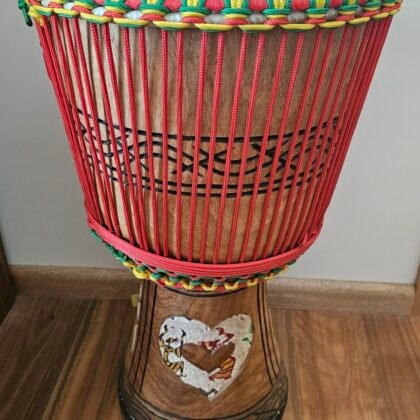
Different regions shaped their own drumming traditions. The djembe, born in Mali and Guinea, became the rock star of African percussion—loud, expressive, and impossible to ignore. Played at weddings, harvests, and rites of passage, it was said to contain three spirits: the tree it was carved from, the animal whose skin became its head, and the drummer who brought it to life.
In Central Africa, polyrhythms took center stage. Instead of everyone clapping on the same beat (which, let’s be honest, is hard enough for some of us), multiple drummers layered rhythms like musical lasagna. The result was a sound so rich and complex that it could make your feet move before your brain even caught up.
Drumming also played a huge role in spiritual ceremonies. In Yoruba traditions, drums called bàtá were used to communicate with the Orishas—divine spirits who, according to legend, had excellent taste in rhythm. These ceremonies blended music, dance, and storytelling into a single, electrifying experience.
When the transatlantic slave trade forced millions of Africans across the ocean, they carried their rhythms with them. Those beats evolved into new genres—blues, jazz, samba, reggae, and eventually hip‑hop. So yes, your favorite playlist probably owes a thank‑you note to an ancient drummer somewhere in West Africa.
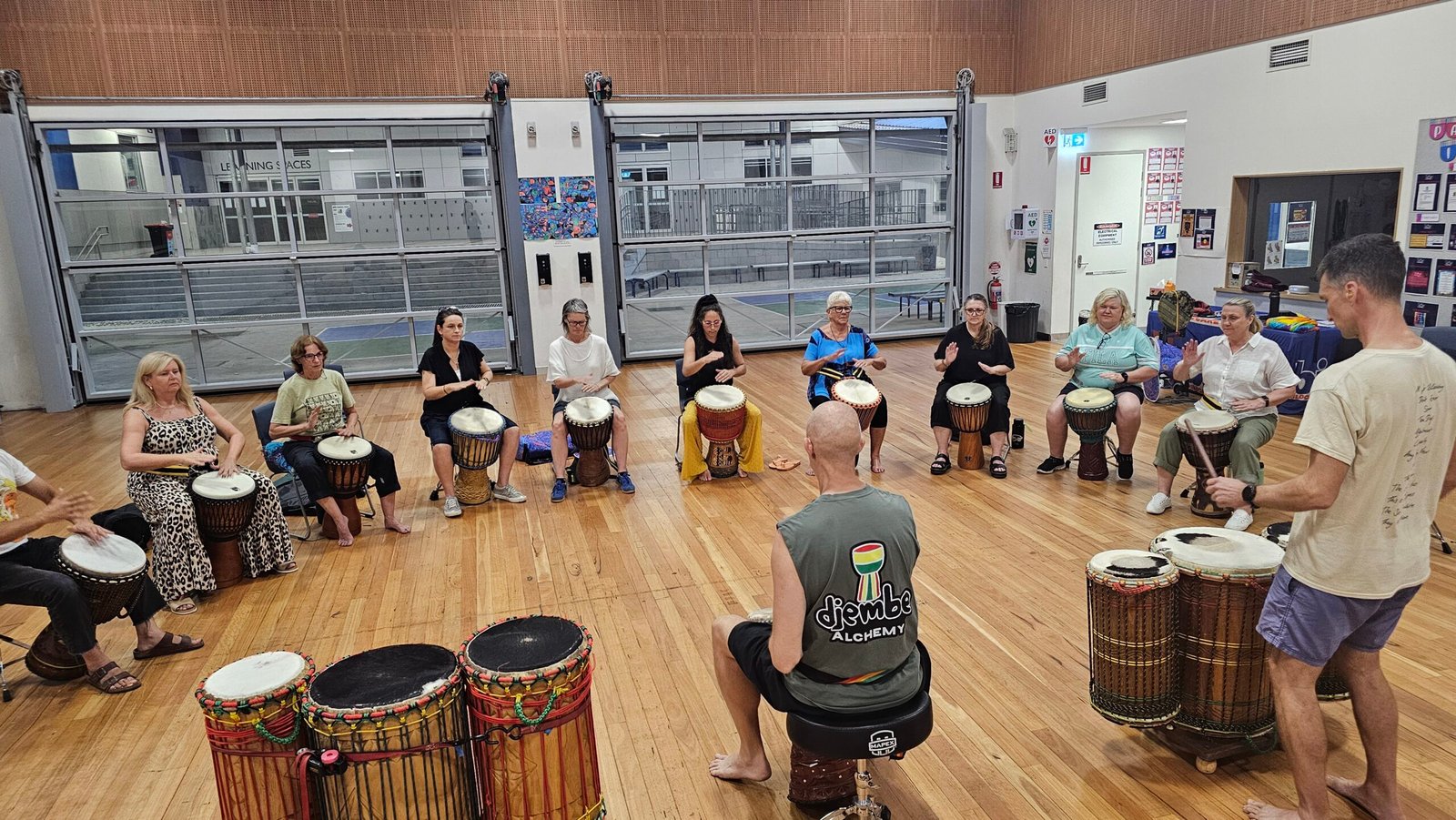
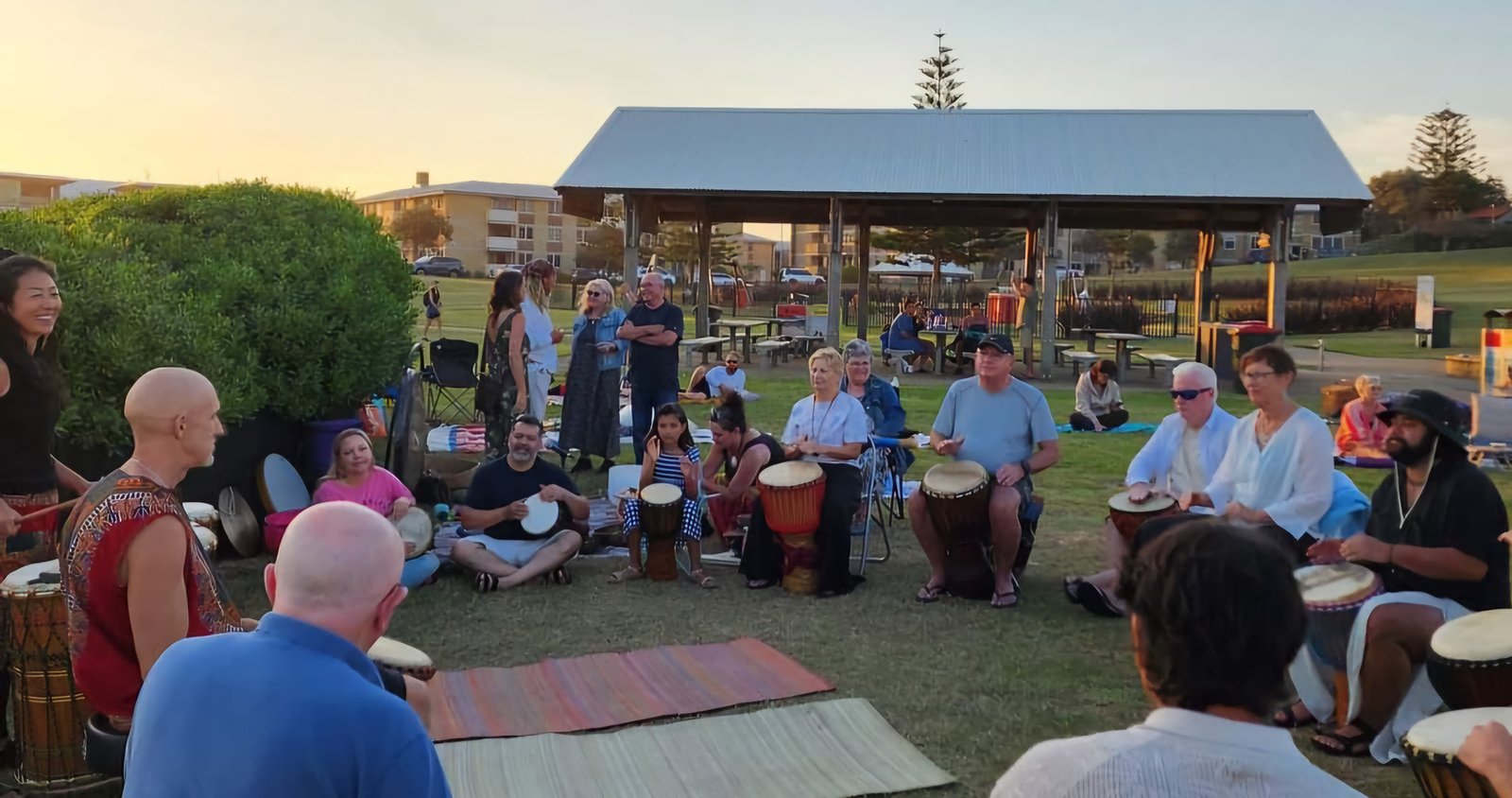
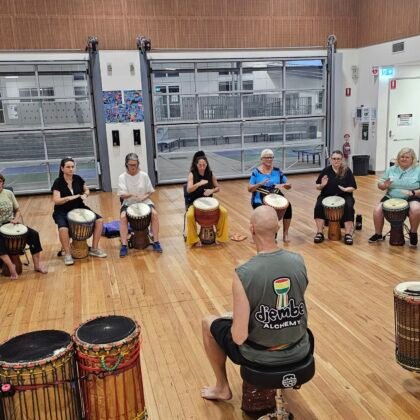
Today, African drumming is celebrated worldwide. It’s taught in schools, performed on global stages, and enjoyed by anyone who loves a rhythm that grabs you by the soul. Whether it’s a single drum echoing across a village or a full ensemble shaking the walls of a concert hall, African drumming remains one of humanity’s most joyful, powerful traditions.
If you ever get the chance to sit behind a drum yourself, don’t overthink it. Hit the skin, feel the vibration, and let the rhythm remind you that you’re part of a story thousands of years old.